
7 strategies to reduce weight on mobile hydraulic machines
One of the main drawbacks of hydraulics is the added mass required for components that must endure thousands of pounds of pressure. The core function of hydraulics is to transfer pressurized fluid to perform work. But is it necessary for high-pressure components to be heavy, particularly on mobile machines? The answer is no. Let's look at 7 ways to reduce weight on mobile hydraulic machines.

1. Increase the pressure: When targeting a specific force or torque from an actuator, you can achieve that force by using smaller components operating at higher pressure. These components must be designed to handle the higher pressure, but they are readily available. A smaller 6,000 psi motor with the same torque as a 3,000 psi motor will weigh less for the same output.
2. Use high-strength steel tubing: Instead of opting for thicker wall tubing to boost pressure capacity, high-strength steel tubing offers the same benefit while reducing mass per foot of material.
3. Replace steel with aluminum: For typical 6000-series aluminum, you can cut the weight of pumps, valves, and manifolds in half compared to steel. While aluminum hydraulic components are generally rated for 3,000 psi, it’s an excellent option for weight savings. High-strength 7000-series aircraft aluminum can handle pressures between 3,500 and 4,000 psi, providing a good balance between strength and weight reduction. Just be ready for the higher costs when your accounting team checks the invoice!
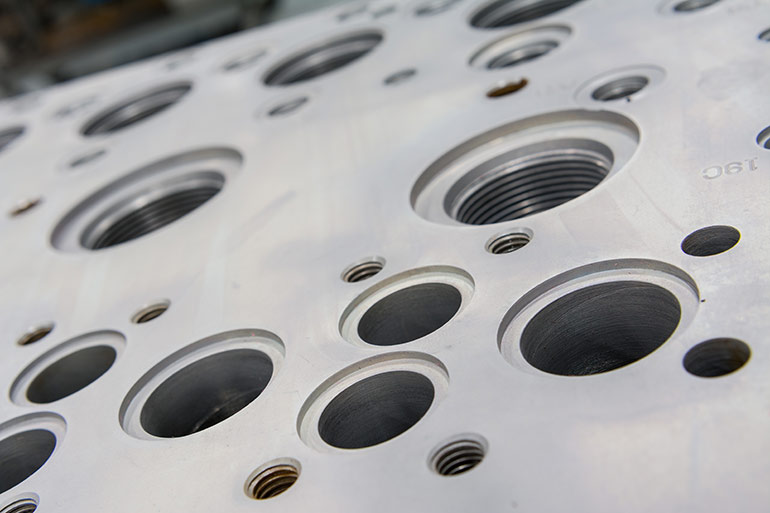
4. Use integrated circuits: Instead of routing the entire system with inline bodies and components, consider creating custom hydraulic manifolds. These manifolds consolidate all the components into one convenient location, reducing plumbing complexity while often enhancing performance. While aluminum is commonly used for these, materials like 4140 steel are suitable for high-pressure applications, still offering plumbing reduction.
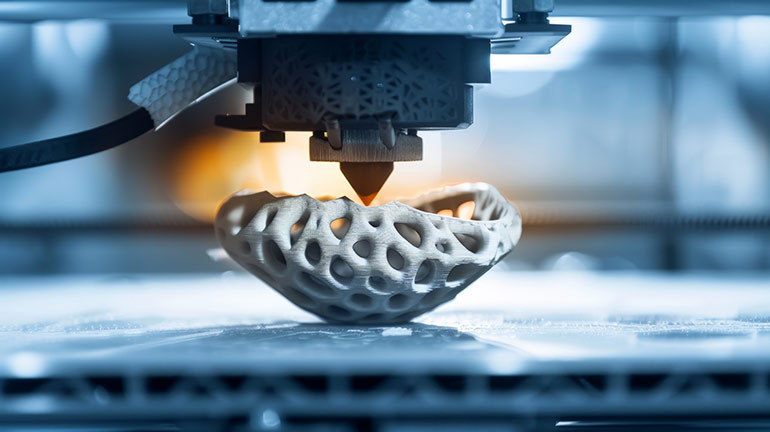
5. Embrace advanced technology: Although this option may be costly, exploring AI-generated designs with 3D-printed bodies and housings can lead to highly efficient structures. These designs leverage organic shapes that balance strength and lightness. This cutting-edge technology has already been successfully implemented in high-performance hypercars and ultra-luxury vehicles.
6. Reduce fluid volume: Hydraulic oil is heavy, especially when your reservoir holds hundreds of gallons. By reducing the volume of the hydraulic reservoir, you can decrease the vehicle's overall weight. However, it's crucial to ensure that the machine stays cool and operates reliably. The reservoir plays a key role in cooling, particle settling, and air bubble separation, so your system must be efficient and clean to make this reduction effective.
7. Reduce system complexity: In advanced machines like excavators, the number and size of valves, pilot lines, pumps, and actuators can be overwhelming. These components are crucial for technologies like load sensing and flow sharing, but by switching to electronically controlled pumps, you can cut down on the number of shuttle valves, pilot lines, and other traditional components, replacing them with lighter sensors and wiring. While the need for durable pumps, valves, and actuators in mobile hydraulics remains, making intelligent design choices can reduce weight while maintaining or even enhancing performance.